
Ifá Signs: The 256 Odù and Their Meanings
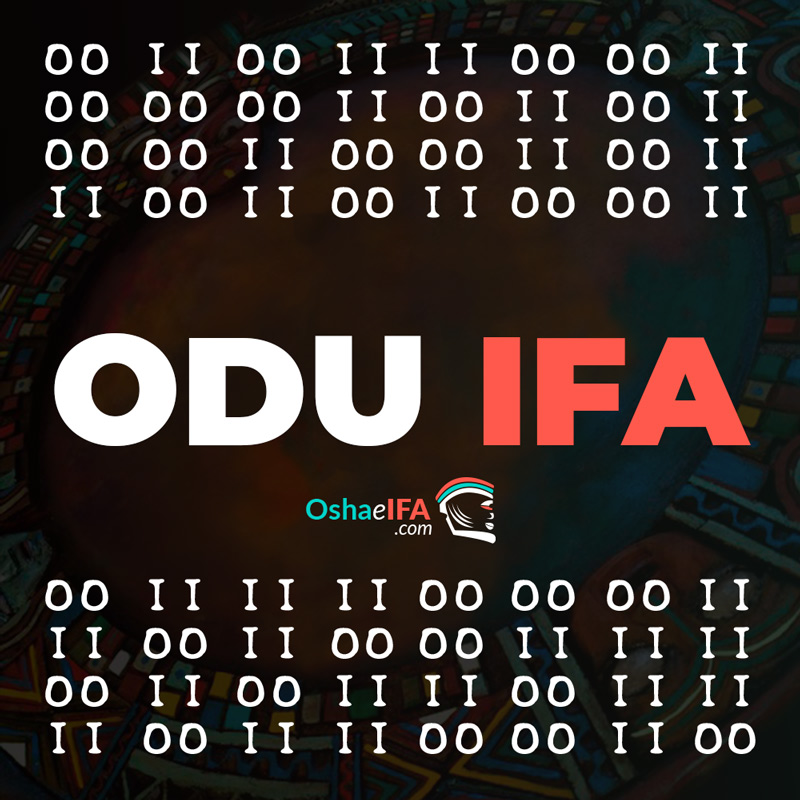
The Ifá signs, called odù or oddun, are the 256 configurations through which Orunmila communicates his teachings and guidance. The corpus is divided into 16 principal odù and 240 combinations. Each sign brings together verses, patakíes, proverbs, advice, prohibitions, and ebo related to the different situations a person may experience.
To understand the religious foundations of the oracle, see our explanation of [what Ifá is]. The directory of the 256 signs provides access to an individual tratado for each odù.
How Are the 256 Ifá Signs Formed?
The Ifá corpus is organized into two main categories:
| Category | Number | Formation |
|---|---|---|
| Ojú Odù | 16 | The principal odù, or meyi, formed when a sign is combined with itself. |
| Amúlù Odù or omoluos | 240 | Formed by combining two different principal odù. |
| Total | 256 | The result of combining the 16 principal odù with one another: 16 × 16. |
Each principal odù can be combined with itself and with the other fifteen, creating a family of sixteen signs.
When an odù is combined with itself, it takes the designation Meji, a Yoruba term meaning “two” or “double.” This is how Oyekun Meji, Iwori Meji, Odi Meji, and the other paired odù are formed. In the particular case of Ogbe, the combination Ogbe-Ogbe is called Ejiogbe, which likewise expresses the doubling of Ogbe.
The other fifteen combinations in its family are formed by joining Ogbe with the other principal odù: Ogbe Oyekun—known in Cuba as Ogbe Yekun—Ogbe Iwori—called Ogbe Weñe—Ogbe Odi, Ogbe Iroso, and so on, up to Ogbe Ofun.
The same principle applies to all sixteen families. When two different odù are joined, one of the 240 Amúlù Odù or omoluos is formed. Order matters: Ogbe Iwori and Iwori Ogbe contain the same originating odù, but they are different signs, occupy different positions in the corpus, and have their own tratados.
How the Signs Are Written
Each odù is represented by two parallel columns of four positions. Each position contains either a single line or a double line. The combination of these eight marks identifies one of the 256 signs.
When the opelé is used, the configuration is recognized directly from the position of its eight segments. In a consultation with ikin, the lines are drawn in the iyefá spread over the opón Ifá. The babalawo identifies the odù by its marks and begins to investigate its orientation and message.
The 16 Meji: Principal Ifá Signs
The sixteen meyi form the foundation of the corpus. Each represents a great force and, when combined with the others, gives rise to a family of sixteen signs.
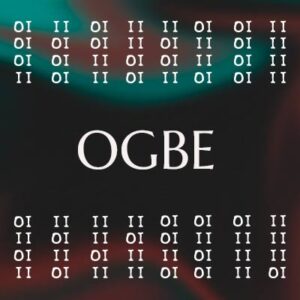
Baba Ejiogbe
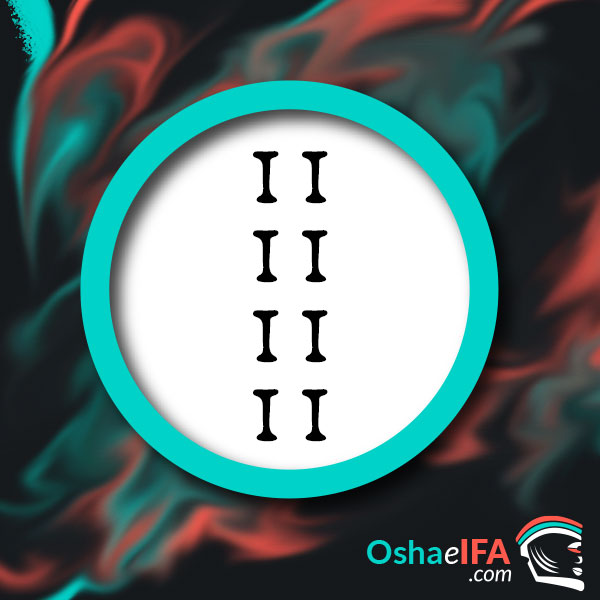
Ejiogbe represents light, creation, birth, and the expansion of life. It revealed how Orí came to occupy a permanent place in the human body and teaches the importance of respecting the head and one’s personal destiny.
This odù encourages growth, clarity, and progress, but also warns against impatience, pride, and the desire to achieve results without completing the necessary processes.
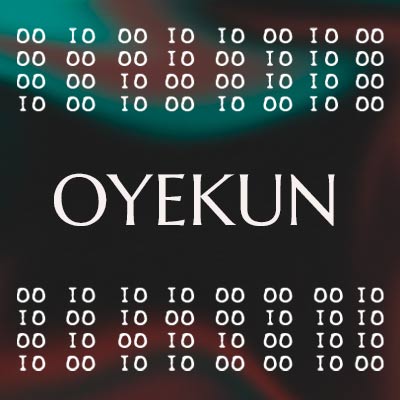
Oyekun Meyi (Òyèkú Méjì)
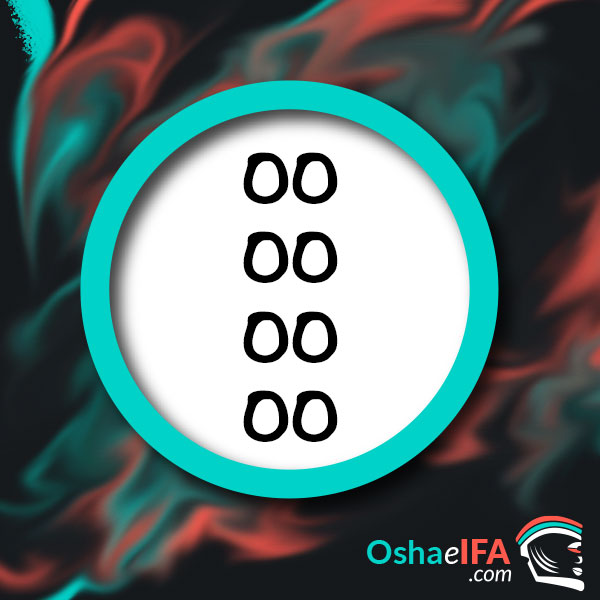
Oyekun represents night, spiritual depth, death, and the return to the ancestors. It revealed how Orunmila taught human beings to protect themselves from a premature death.
It does not speak only of destruction. It also holds the mysteries of gestation, rest, transformation, and the rebirth that begins after a cycle comes to an end.
Iwori Meyi (Ìwòrì Méjì)
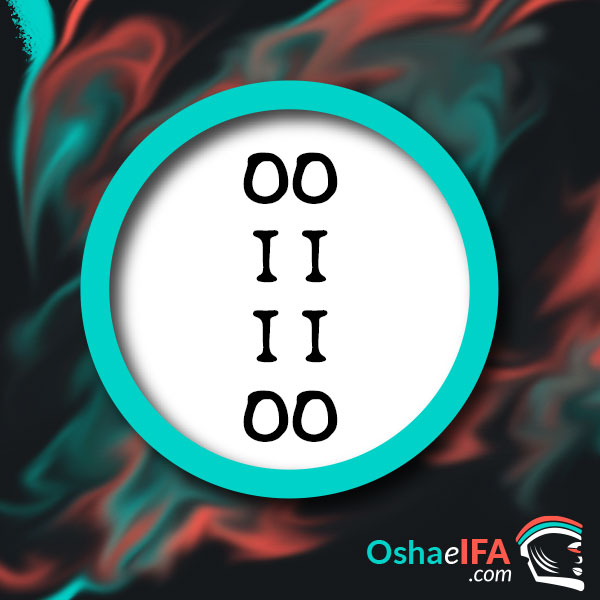
Iwori represents what remains hidden within: thoughts, intentions, and the fire that works beneath the surface. It teaches people to observe before speaking and to examine their own motives and those of others carefully.
It warns against arrogance, ingratitude, deception, and decisions made without enough reflection.
Odi Meyi (Òdí Méjì)
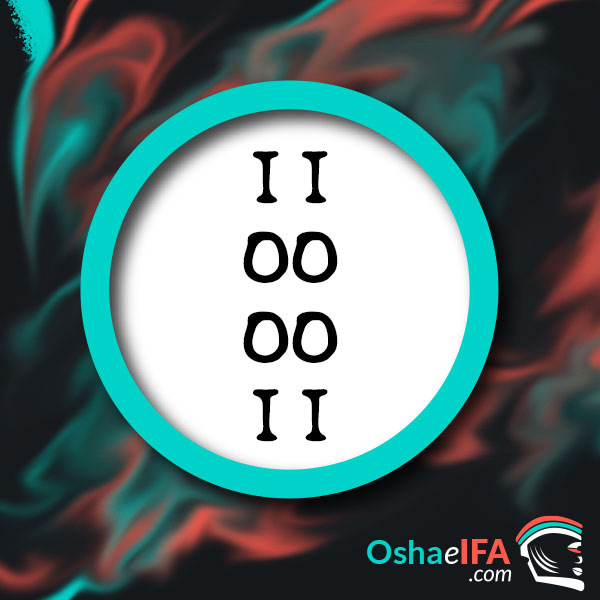
Odi represents containment, closure, gestation, and the boundaries that protect what is taking shape. It recommends completing exhausted processes so that new stages of life can begin.
It speaks of sexuality, human relationships, regret, and the consequences of impulsive decisions. Its force can protect and preserve, but it can also confine what refuses to evolve.
Iroso Meyi (Ìrosùn Méjì)
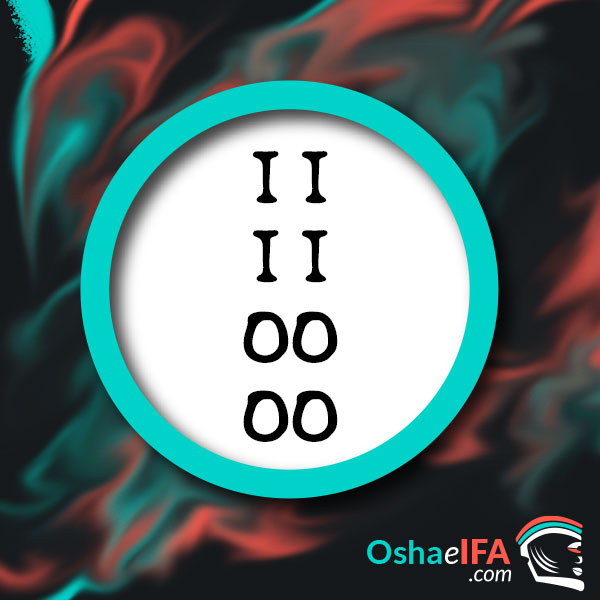
Iroso teaches that success requires facing obstacles and making the necessary sacrifices. It advised the divinities not to establish laws so rigid that they would provoke rejection and disobedience.
It is associated with tears, memory, the depths of the Earth, and the need to identify the real causes of a problem before trying to solve it.
Ojuani Meyi (Òwónrín Méjì)
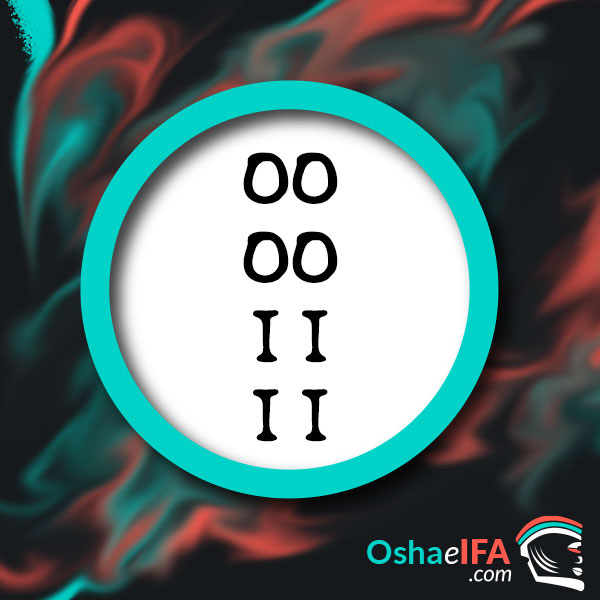
Ojuani represents movement, sudden changes, and the possibility of transforming misfortune. It teaches people to let go of the past and remain hopeful through life’s setbacks.
Its dynamism can open paths, but it can also create instability when a person acts without direction, discipline, or the ability to listen to advice.
Obara Meyi (Òbàrà Méjì)
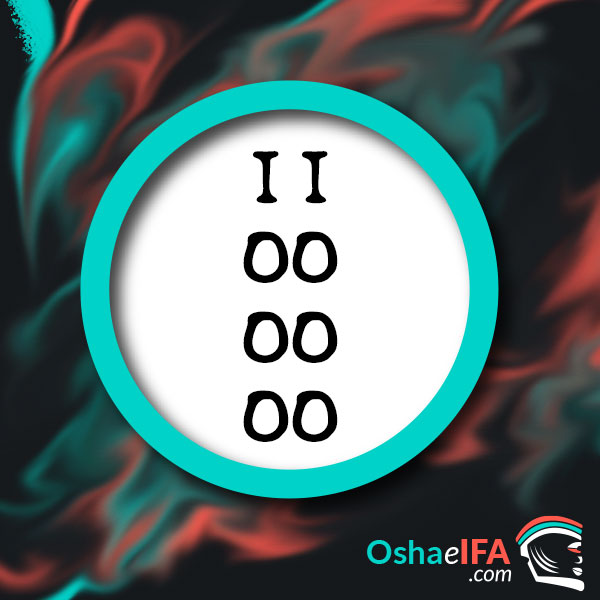
Obara is associated with speech, family relationships, partnerships, and public recognition. It represents rest and recovery after hardship.
It also warns of betrayal, discredit, insecurity, and conflicts caused by careless speech. Obara begins the group of signs whose graphic inversion produces a configuration with a different name.
Okana Meyi (Òkànràn Méjì)
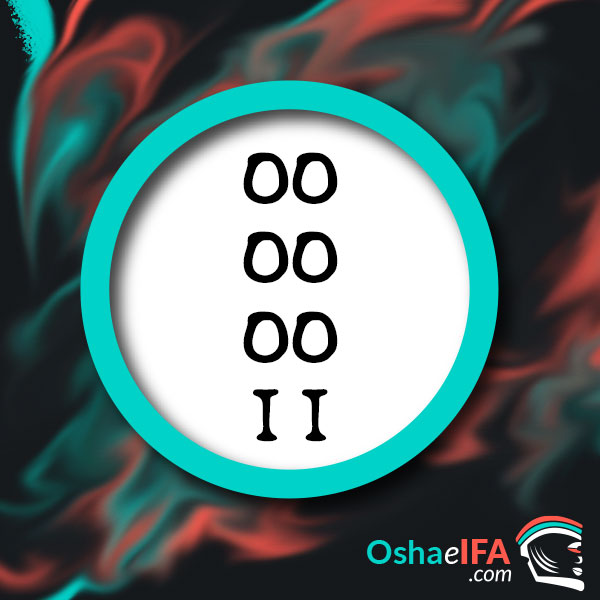
Okana represents impulse, fire, transformation, and the justice that demands correction of excesses. It speaks of agriculture, trade, and how communities respond to unjust conditions.
Its energy requires self-control, because arrogance, stubbornness, and aggression can turn an opportunity for change into conflict.
Ogunda Meyi (Ògúndá Méjì)
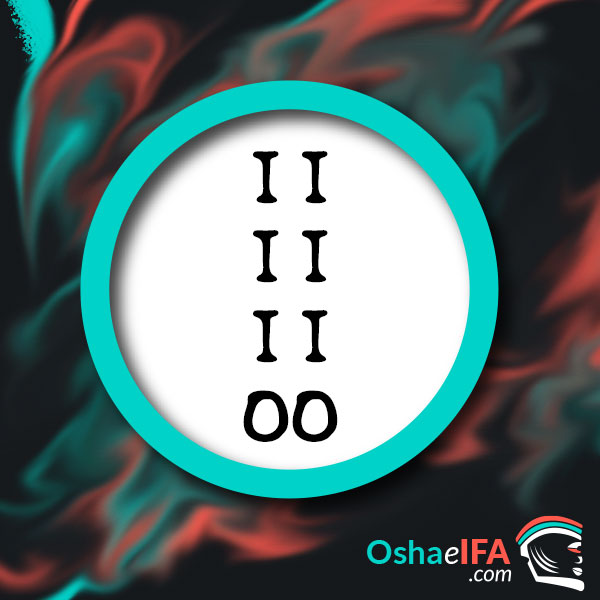
Ogunda brings together intelligence, work, and strength. It is associated with iron, tools, technological advances, surgery, and the ability to transform nature.
It also speaks of struggles, aggression, disputes, and survival. It teaches that strength must be guided by reason so that it builds rather than destroys.
Osa Meyi (Òsá Méjì)
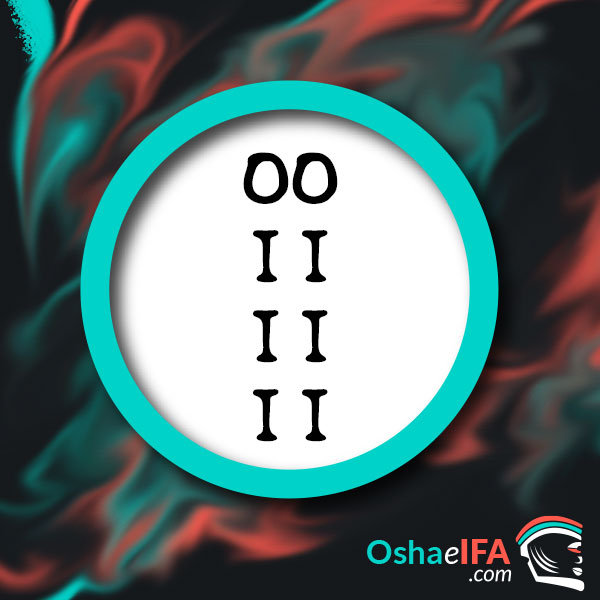
Osa represents time, change, and the forces of nature that disrupt the established order. It speaks of winds, storms, earthquakes, and other processes of transformation.
It also preserves teachings about discrimination, slavery, and conflicts between peoples. It affirms that, before Olodumare, no differences justify one person’s superiority over another.
Ika Meyi (Ìká Méjì)
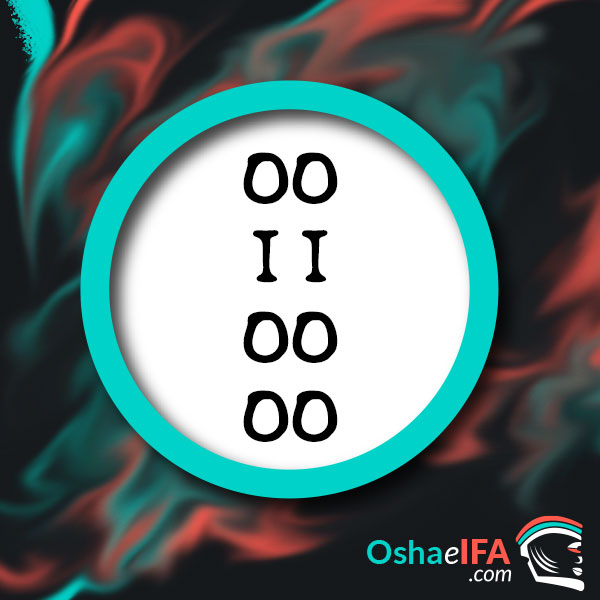
Ika represents conflict, resistance, and forces that move quietly. It is associated with reptiles, the depths of the sea, and things that must be approached with caution.
It speaks of violence and cowardice as counterparts to peace and courage. It teaches people to recognize danger without acting under the control of fear.
Otrupon Meyi (Òtúrúpòn Méjì)
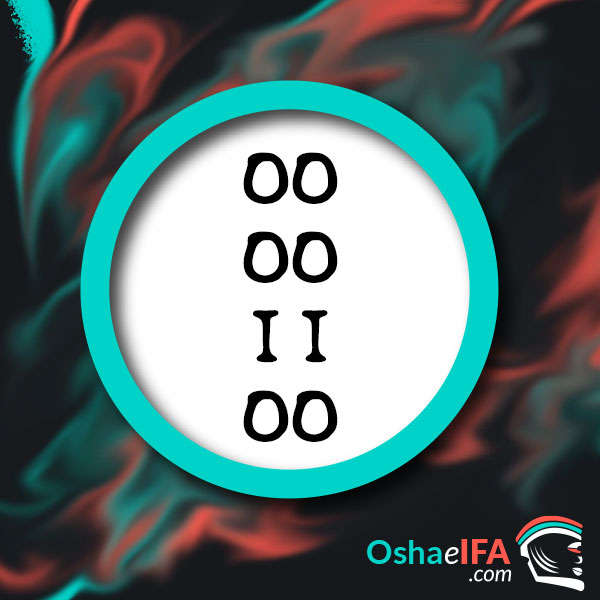
Otrupon, also called Ologbon Meji, reveals how the faculty of intelligence came into the world. It is associated with organization, hierarchy, and the place occupied by divinities, human beings, animals, and plants.
It teaches that knowledge must be accompanied by order and discipline to produce lasting results.
Otura Meyi (Òtúrá Méjì)
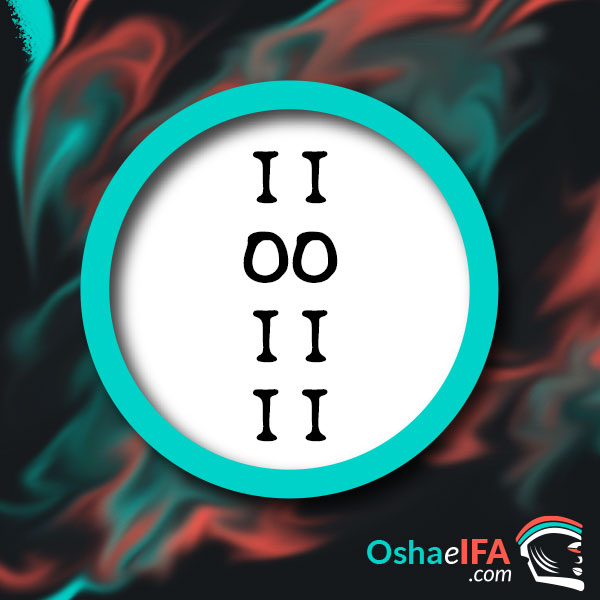
Otura represents clarity, spiritual elevation, justice, and renewal. It strengthens family and community ties and teaches people to seek solutions through knowledge.
It also expresses the succession of day and night and the relationship between past, present, and future. Its light makes it possible to recognize what was once unclear.
Irete Meyi (Ìretè Méjì)
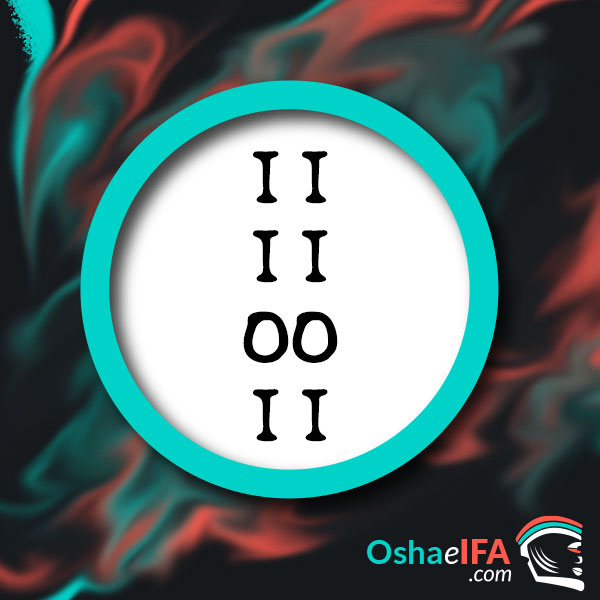
Irete teaches that possessions and achievements depend on effort, perseverance, and the ability to fulfill one’s obligations. It is associated with recovery, maturity, and the possibility of rising again after a fall.
It also warns against using force to gain benefits and speaks of debts that must be repaid through work and sacrifice.
Oshe Meyi (Òsé Méjì)
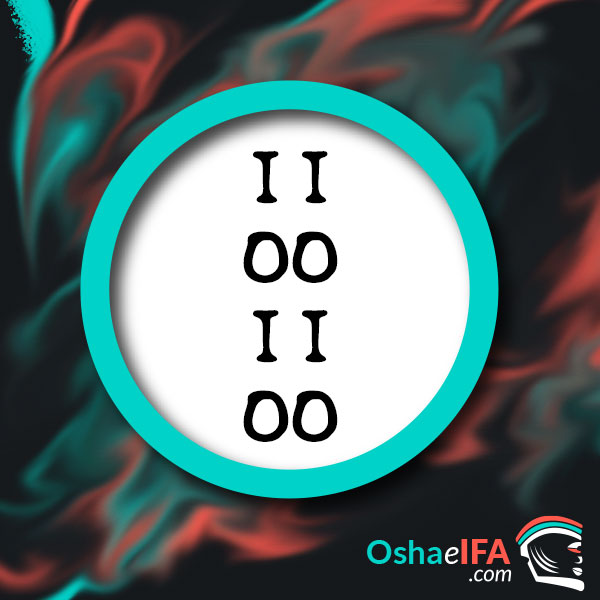
Oshe represents fertility, abundance, sweetness, and victory over difficulties. It preserves teachings related to blood, wealth, and the arrival of money on Earth.
Prosperity must be managed wisely, because excess, complacency, and conflict can cause a blessing to be lost.
Ofun Meyi (Òfún Méjì)
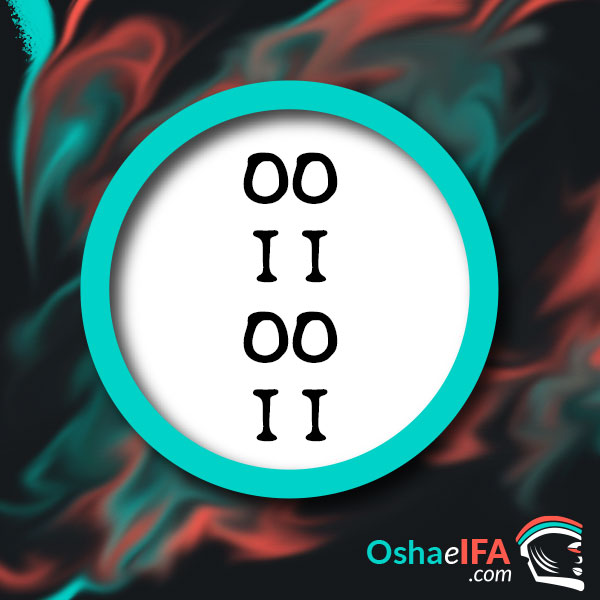
Ofun represents completion, wisdom, rest, and the fulfillment of cycles. It was the first to come from Heaven, returned, and eventually took the last position in the Afro-Cuban order.
It speaks of creation, life, death, and revelation. Its final position does not signify inferiority: it represents the conclusion that contains the experience gathered along the way.
Tratado of the 256 Odù, or Ifá Signs
The following directory brings together the sixteen principal odù and their 240 combinations. Each entry leads to the individual tratado for that sign, with its meaning, recommendations, prohibitions, proverbs, Dice Ifá, prayers, ebo, patakíes, and traditional verses.
What Do the Ifá Signs Mean?
The signs convey Orunmila’s message through stories, advice, warnings, and taboos. Their purpose is to help identify imbalances affecting a person’s path and show the actions needed to live in ire.
Each odù has a general meaning, but it does not deliver the same message in every consultation. The babalawo must determine which of its verses or stories applies to the situation at hand.
The interpretation takes several elements into account:
- The principal odù revealed.
- The signs acting as witnesses.
- Its manifestation in ire, osogbo, or another orientation being investigated.
- The reason for the consultation.
- The person’s background.
- The verses and patakíes related to the case.
- The answers obtained when asking about the ebo.
From Ifá’s religious perspective, the physical and spiritual worlds are connected. When something disrupts that harmony, the odù shows how the imbalance began and what must be done to correct it.
The stories explain what each odù experienced in Heaven, the sacrifices recommended before it descended to Earth, and the consequences of accepting or rejecting them. In their earthly dimension, they show how those forces manifested among human beings.
When an odù appears in an Igbodun, or consecration room, the person becomes connected with the cycle and teachings that the sign began in Heaven and continued on Earth.
How Are the Ifá Signs Read?
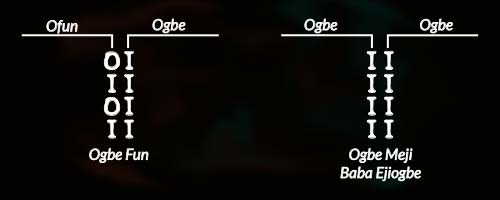
The two columns that form the odù are traditionally read from right to left. The sign can be obtained with the opelé or through the handling of the ikin.
Divination with the Opelé
The opelé is a chain made up of eight segments that can fall in one of two positions. When the chain is cast onto the mat or beside the board, the positions of its eight elements produce the configuration corresponding to one of the 256 signs.
The priest first reads the column on the right and then the column on the left. The resulting combination immediately identifies the odù.
Divination with the Ikin
In a consultation with ikin, the babalawo places Orunmila’s sacred palm nuts in one hand and tries to take them with the other. If two ikin remain, the babalawo draws a single line on the iyefá; if one remains, a double line is drawn.
The process is repeated until all eight positions in the two columns of the sign have been completed. In the Afro-Cuban tradition, this method of marking the odù on the board is called atefar.
Obtaining the sign is only the beginning. Its orientation, witness signs, the reason for the consultation, and the appropriate ebo must then be investigated.
Chart for Studying the Ifá Signs
The written form makes it possible to recognize each odù by the arrangement of its single and double lines. The chart should be kept as a visual aid for identifying the sixteen principal signs.
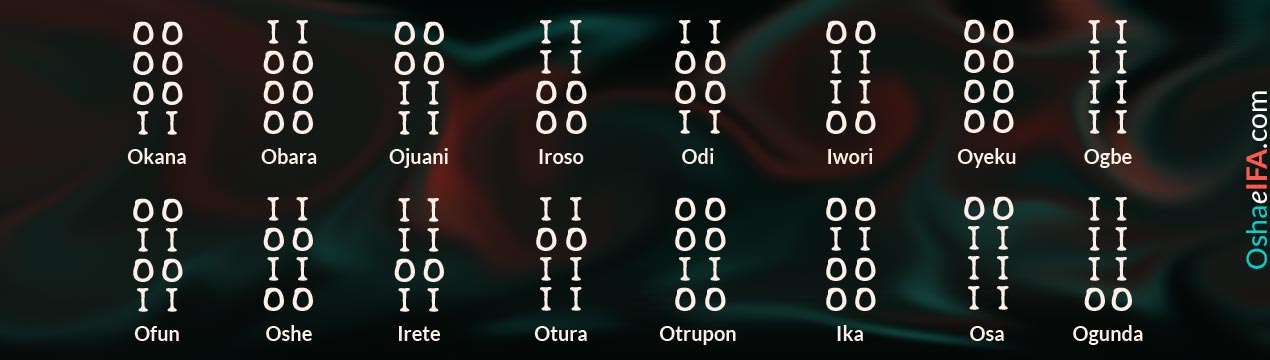
Ifá Signs by Number and Their Relationship to the Dilogún
In the Afro-Cuban tradition, a correspondence is used between the sixteen principal Ifá odù and the signs of the Dilogún. This relationship makes it easier to compare the two corpora, but it does not mean they are the same oracle.
The Dilogún has its own rules, positions, and methods of interpretation. An Ifá odù should not automatically be read as though it were its cowrie-shell counterpart.
| Principal Ifá odù | Dilogún correspondence |
|---|---|
| Ejiogbe. | Unle (8). |
| Oyekun. | Eyioko (2). |
| Iwori. | Manulá (15). |
| Odi. | Odi (7). |
| Iroso. | Iroso (4). |
| Ojuani. | Ojuani (11). |
| Obara. | Obara (6). |
| Okana. | Okana (1). |
| Ogunda. | Ogunda (3). |
| Osa. | Osa (9). |
| Ika. | Merinlá (14). |
| Otrupon. | Eyilá Sheborá (12). |
| Otura. | Merindilogún (16). |
| Irete. | Metanlá (13). |
| Oshe. | Oshe (5). |
| Ofun. | Ofun (10). |
Genealogical Order of the Ifá Signs
The names and positions of the odù can vary across regions and lineages. The following comparison presents an order transmitted for Oyo, Benin, and the Afro-Cuban Osha-Ifá tradition.
| Oyo | Benín | Cuba, Osha-Ifá |
|---|---|---|
| Eji Ogbe. | Eji Ogbe. | Eyiogbe. |
| Oyeku Meji. | Oyekun Meji. | Oyekun Meyi. |
| Iwori Meji. | Iwori Meji. | Iwori Meyi. |
| Idi Meji. | Odi Meji. | Odi Meyi. |
| Obara Meji. | Obara Meji. | Iroso Meyi. |
| Okanran Meji. | Okonron Meji. | Ojuani Meyi. |
| Irosun Meji. | Irosun Meji. | Obara Meyi. |
| Owonrin Meji. | Owonrin Meji. | Okana Meyi. |
| Ogunda Meji. | Ogunda Meji. | Ogunda Meyi. |
| Osa Meji. | Osa Meji. | Osa Meyi. |
| Etura Meji. | Irete Meji. | Otura Meyi. |
| Irete Meji. | Etura Meji. | Irete Meyi. |
| Eka Meji. | Oturupon Meji. | Ika Meyi. |
| Eturukpon Meji. | Osé Meji. | Otrupon Meyi. |
| Osé Meji. | Oragun. | Oshe Meyi. |
| Ofun Meji. | Eka Meji. | Ofun Meyi. |
The differences mainly concern the order and certain regional forms of the names. They do not change the existence of the odù or the fundamental structure of the corpus.
Why Are There Different Orders?
An Ifá story relates that the people of Oyo went to Ogbe Alara, a disciple of Orunmila, to learn the signs and their order. Ogbe Alara drew the sixteen odù on the board, and they set out to return home carrying the tray.
A storm caught up with them on the way. The wind disturbed the iyefá and scattered the markings. The travelers remembered the names and how the signs were written, but they could not reconstruct the exact order in which they had been placed.
When they tried to go back, Ogbe Alara had already departed for Heaven. They then established the order they could remember, which was later transmitted in Oyo.
This story gives a religious explanation for regional differences and reminds us that the corpus was preserved for centuries through memory and oral transmission.
What Does “Dice Ifá” Mean?
“Dice Ifá” is an expression used to introduce the advice and warnings that Orunmila communicates through an odù. It can also refer to the interpretive summary priests create from the verses, proverbs, and patakíes associated with each sign.
Dice Ifá is not an independent oracle or a pronouncement that should be applied in exactly the same way to everyone. Its content must be interpreted according to the position of the odù and its manifestation in ire, osogbo, or ayewo.
For this reason, two people can receive the same sign and need different guidance. The odù is the same, but the issue being investigated, the witness signs, and the circumstances of each consultation differ.
What Is an Oddun Toyale?
In Afro-Cuban osode, the Oddun Toyale is the principal sign revealed during a consultation. It represents the present situation of the person seeking guidance and directs the investigation into their problems, recommendations, and ebo.
The babalawo draws on the Toyale for the verses, proverbs, and patakíes related to the case. However, it is not interpreted in isolation: other signs are used as witnesses to expand and confirm its message.
Oddun Okuta Kula
Okuta Kula is the first witness. It helps explore why the Toyale was revealed and the circumstances that brought the person to the consultation.
Odu Tomala Belashe
Tomala Belashe acts as the second witness. It helps determine how the problem may develop and contributes to the investigation of the ebo needed to address it.
The Secret Oddun, or Amotorun Iwa
The combination used between the Toyale and the second witness forms a fourth sign known as the Secret Oddun or Amotorun Iwa. This expands the message and may indicate additional guidance or a complementary ebo.
For example, if the Toyale is Iroso Obara and the second witness belongs to Ogbe Ka, the complementary sign used in this system would be Iroso Ka.
The terminology and arrangement of witness signs can vary among Ifá houses. The explanation above describes a system widely transmitted in Afro-Cuban practice.ueden cambiar entre casas de Ifá. La explicación anterior corresponde a un esquema ampliamente transmitido dentro de la práctica afrocubana.
Ẹsẹ and Patakíes: The Stories of the Odù
The ẹsẹ Ifá are verses through which the teachings of each odù are transmitted. They may include narratives, dialogue, invocations, proverbs, and formulas related to the consultation.
In the Afro-Cuban tradition, the word patakí is widely used for religious stories preserved within Ifá and the Dilogún. Although the terms are related, an ẹsẹ may contain more elements than the story later summarized as a patakí.
These stories recount events involving Orunmila, the orishas, human beings, animals, plants, and other elements of creation. Each helps explain how a situation unfolded and what happened when the sacrifice was accepted or rejected.
The New and the Old in Ejiogbe
One Ejiogbe story tells that Orunmila was troubled because no one seemed to understand the beginning and end of things. Ogún said he knew the answer, so Orunmila decided to test him.
First, he showed Ogún some brand-new iron tools and promised to give them to him. When Ogún returned to collect them, he found old, worn-out tools in their place.
Later, Obatalá saw a beautiful young woman in the compound. When he entered again, he found an old woman. Orunmila explained that both images revealed the same law: what is new grows old, and a new continuity emerges from what has aged.
Time allows us to grow, evolve, and prosper, but it also turns what is new into what is old. Continuity begins when one stage passes its experience on to the next.
This story shows why a patakí should not be read merely as an old tale. Its teaching can apply to the body, the family, objects, relationships, and the cycles of life.
How Ejiogbe Became the First of the Odù
After the sixteen odù arrived on Earth, the need arose to choose a leader. Oyekun claimed seniority, while Ejiogbe was considered one of the youngest. The odù went to Orishanlá to ask him to decide.
During a meal, the elders divided the animals’ limbs among themselves and gave Ejiogbe the heads. Without realizing it, they were giving him the part that represents direction, authority, and destiny.
Before the final meeting, Ejiogbe consulted Ifá and performed ebo to Eshu. Following the advice he received, he helped an old woman on the road, carried her firewood, and shared food and water with her. The woman turned out to be Orishanlá’s mother.
As a reward, she dressed him in symbols of dignity and led him to the meeting place. The other odù did not recognize him and, following Orishanlá’s instruction, bowed before him.
Orishanlá explained that they themselves had chosen Ejiogbe as leader by repeatedly giving him the animals’ heads. Later, Eshu helped him overcome the tests set by the other odù.
In the end, Ejiogbe was recognized as first in the Afro-Cuban order and received the title Akoko Olokun. The story teaches that rank does not depend on age alone: it can also be attained through intelligence, sacrifice, respect, and good character.un. El relato enseña que la jerarquía no depende solamente de la edad: también se alcanza mediante inteligencia, sacrificio, respeto y buen carácter.
Frequently Asked Questions About the Ifá Signs
How many Ifá signs are there?
There are 256 odù: 16 principal signs, or meyi, and 240 combinations known as Amúlù Odù or omoluos.
What is the best Ifá sign?
No odù is entirely good or entirely bad. All contain blessings, dangers, teachings, and prohibitions. The best path is to live out the favorable aspect of one’s sign, follow its advice, and avoid its taboos.
How can I find out my Ifá sign?
In the Afro-Cuban tradition, the Mano de Orula reveals the odù that accompanies a person and the guidance they should follow. Those who receive full Ifá consecration receive the odù associated with that initiation.
Does the same sign mean the same thing for everyone?
No. The odù in the corpus remains the same, but how it applies depends on the consultation, the witness signs, its orientation, the ebo, and the specific circumstances of the person seeking guidance.
Are Ifá signs the same as Dilogún signs?
No. Ifá and the Dilogún are different oracles. They share divinities, stories, and correspondences used in the Afro-Cuban tradition, but they have their own corpora, priesthoods, and procedures.
What is the difference between Odu, Odù, and Oddun?
Odù is the Yoruba spelling of the term. Odu is a simplified form without tone marks, while Oddun is a spelling used in Cuba and other Spanish-speaking countries. All three forms appear in this content to make the term easier to identify.
Can a sign’s message change?
The foundation of the odù does not change, but it can manifest with different orientations. The same sign may indicate a blessing that should be preserved or a difficulty that needs to be corrected.
Sources and Editorial Standards
This directory presents the odù from the perspective of the Ifá tradition, with particular attention to the corpus preserved in Cuba. Names, orders, verses, and procedures may vary across regions and lineages.
- UNESCO, The Ifá Divination System.
- Wande Abimbola, Ifá: An Exposition of Ifá Literary Corpus.
- William Bascom, Ifa Divination: Communication Between Gods and Men in West Africa.
- Jacob K. Olupona and Rowland O. Abiodun, Ifá Divination, Knowledge, Power, and Performance.
- The Metropolitan Museum of Art, Art and Oracle: African Art and Rituals of Divination.
- Odù tratados and knowledge transmitted within African and Afro-Cuban Ifá lineages.
When an interpretation belongs specifically to Afro-Cuban practice, its context is identified. Reserved ceremonies and procedures should be learned directly from initiated elders, not solely through public texts.
Foundations for Understanding the Ifá Signs
The study of the odù is part of a much broader body of religious knowledge. Learn about the foundations of Ifá, the work of the babalawo, the importance of good character, and the roles of Iwa Odù and Esu in this tradition.